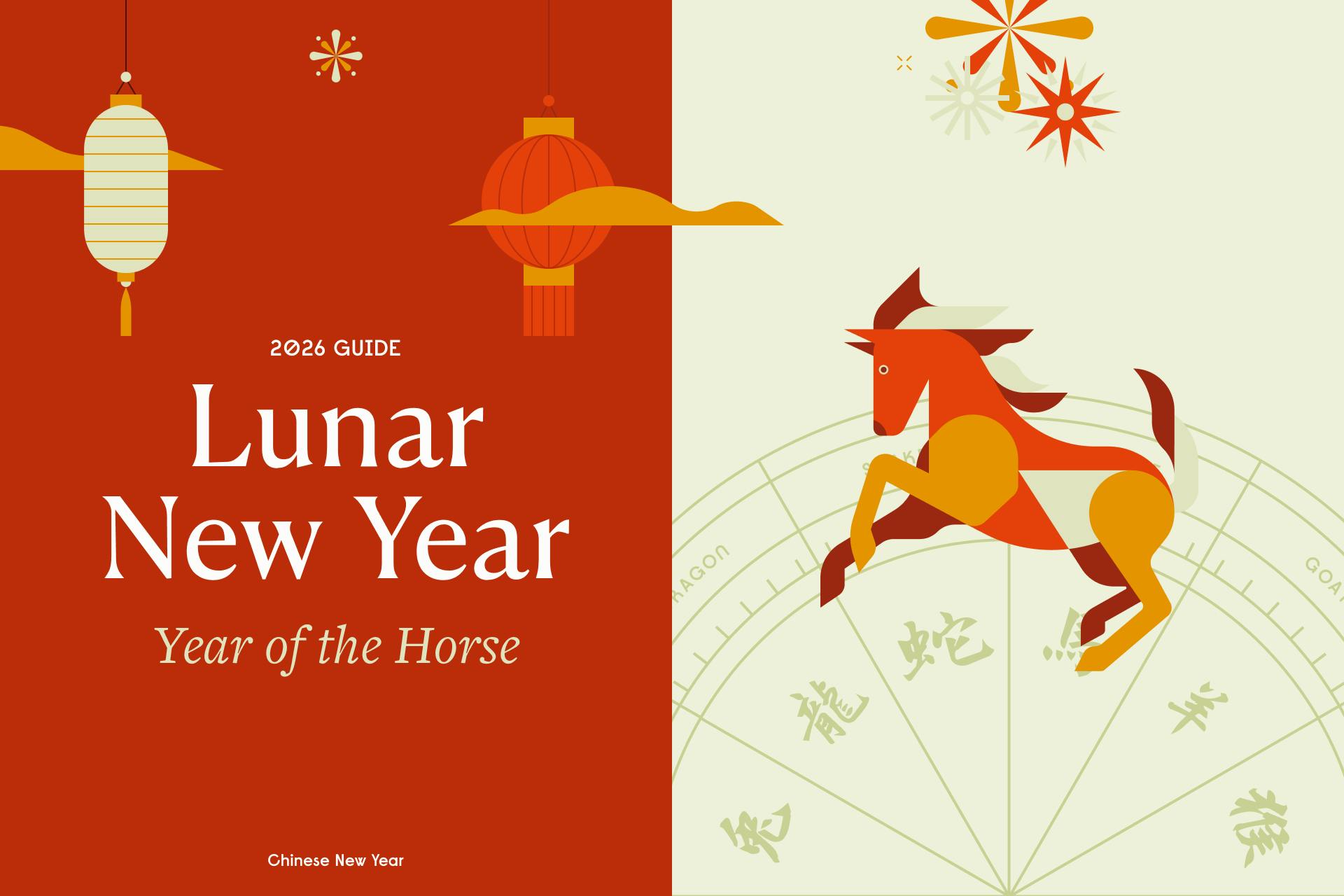
Unpacking the Lunar New Year Animal Cycle: Tradition, Luck, and Community
The Lunar New Year is more than just a date on the calendar; it's a vibrant tapestry woven with ancient traditions, spirited celebrations, and profound cultural significance. At the heart of these festivities lies the fascinating Año Nuevo Lunar Animal cycle, a system that assigns a unique animal to each year within a 12-year rotation. This enduring tradition, deeply rooted in various East Asian cultures, goes beyond simple calendrical tracking; it imbues each year with distinct characteristics, influences personal destinies, and fosters a powerful sense of community and shared purpose.
From bustling street parades adorned with dragon dances to intimate family gatherings marked by symbolic feasts, the spirit of the Lunar New Year resonates with themes of renewal, hope, and collective responsibility. Understanding the animal assigned to the year, and the traits it embodies, provides a fascinating lens through which to appreciate the rich cultural values passed down through generations. It's a system that invites reflection on luck, encourages cooperation, and inspires courage in the face of new beginnings.
The Heart of the Tradition: Understanding the Año Nuevo Lunar Animal Cycle
The concept of the Año Nuevo Lunar Animal cycle, often referred to as the Chinese Zodiac in Western contexts, traces its origins back thousands of years. Legend tells of the Jade Emperor's great race, where 12 animals competed to determine their order in the zodiac, each ultimately securing its place in the cycle. These animals—Rat, Ox, Tiger, Rabbit, Dragon, Snake, Horse, Goat (or Ram/Sheep), Monkey, Rooster, Dog, and Pig—represent a complete cycle of time, and each carries its own set of characteristics, believed to influence the events and personalities born within that particular year.
When a new Lunar Year begins, it heralds the reign of a new animal, bringing with it a fresh set of energies and predictions. For instance, a year of the diligent Ox might emphasize hard work and perseverance, while a year of the brave Tiger could inspire boldness and leadership. This cyclical nature encourages people to understand the prevailing energies of the year, adapting their plans and actions to align with the animal's traits to invite good fortune and navigate potential challenges. It's a philosophical framework that connects individuals to a broader cosmic rhythm, offering guidance and a sense of shared destiny.
Families often look to the current animal year to understand the general mood and opportunities that may arise, fostering a collective anticipation for what the new cycle holds. This shared understanding strengthens communal bonds, as everyone in the community experiences the unique influence of the same animal year together.
Beyond Symbolism: How Animal Years Shape Community and Values
The influence of the Año Nuevo Lunar Animal extends far beyond individual horoscopes; it plays a crucial role in shaping community dynamics and reinforcing core cultural values. The tradition often presents scenarios where the collective well-being is paramount, with the reigning animal serving as a symbol for the values the community is encouraged to uphold. For example, during a Year of the Tiger, like the one celebrated by the Tiger family in traditional tales, themes of courage, leadership, and proactive community engagement come to the forefront.
Stories passed down through generations, often featuring animal families, illustrate how individuals, by embodying the positive traits of their year's animal, can contribute to the greater good. These narratives emphasize the importance of work, cooperation, and courage in overcoming obstacles. When challenges arise, whether they are metaphorical barriers in a story or real-life communal issues, the expectation is that the community will come together, guided by the spirit of the reigning animal, to find solutions. This fosters a strong sense of collective responsibility and mutual support.
The communal focus during the Lunar New Year period is palpable. Families clean their homes together, symbolizing the sweeping away of bad luck and welcoming prosperity. Elders share wisdom, and younger generations learn the importance of respecting tradition and contributing to the family unit. This cultural emphasis on collaboration and leadership, often inspired by the year's animal, helps solidify social structures and maintain harmony. To delve deeper into how specific animal years inspire communal action, consider reading The Year of the Tiger: Celebrating Lunar New Year Values and Community.
Cultivating Luck and Prosperity: Traditions for the Año Nuevo Lunar Animal
Luck, or "fu", is an ever-present theme throughout Lunar New Year celebrations, and many traditions are specifically designed to invite good fortune for the upcoming Año Nuevo Lunar Animal. These rituals are not mere superstitions; they are deeply meaningful practices that reinforce optimism, hope, and a sense of agency in shaping one's future.
- Spring Cleaning: Before the New Year begins, families meticulously clean their homes. This isn't just about tidiness; it's a symbolic act to sweep away bad luck and misfortune accumulated from the previous year, making space for new, positive energy to enter with the arrival of the new animal's reign.
- Red Decorations: The color red symbolizes prosperity, happiness, and good fortune. Homes and streets are adorned with red lanterns, couplets (poetic verses), and paper cuttings. These vibrant decorations are believed to ward off evil spirits and attract good luck for the year ahead.
- Symbolic Foods: The New Year's Eve reunion dinner is a feast laden with dishes chosen for their auspicious meanings. Fish (yú) symbolizes abundance, dumplings (jiǎozi) represent wealth, and sticky rice cakes (niángāo) signify progress and prosperity year after year. Eating these foods is believed to invite their respective blessings for the new animal year.
- Red Envelopes (Hóngbāo): Filled with crisp new banknotes, these envelopes are given by married adults to children and unmarried younger relatives. The act symbolizes the transfer of good fortune and blessings, particularly from elders to younger generations, wishing them luck and prosperity in the new animal cycle.
By actively participating in these traditions, individuals and families consciously engage with the spirit of the New Year, preparing themselves to embrace the blessings and challenges that the specific Año Nuevo Lunar Animal is believed to bring. These practices create a sense of unity and shared purpose, ensuring that everyone starts the year on a hopeful and fortunate note.
Embracing Courage and Cooperation in Every Animal Year
The narratives surrounding the Año Nuevo Lunar Animal cycle are often rich with lessons on perseverance, bravery, and the strength found in unity. Stories, whether for children or adults, frequently highlight characters who, through their courage and cooperation, manage to overcome significant hurdles. This emphasis is not accidental; it serves as a powerful reminder that while each animal year brings its unique challenges, it also presents opportunities for growth and collective achievement.
The example of the courageous Tiger family, facing challenges and "eliminating all barriers through work, cooperation, and courage," underscores a fundamental aspect of this cultural tradition. It teaches that no matter what the characteristics of the presiding animal —be it the steady Ox, the innovative Dragon, or the charming Rabbit—the principles of mutual support and resilience remain vital. These stories instill in individuals the understanding that personal fortitude combined with community effort can lead to success and communal flourishing.
Moreover, the Lunar New Year celebrations themselves are acts of communal courage. They are a declaration of hope, a collective turning of the page, and a reaffirmation of cultural identity in a rapidly changing world. Each year, communities worldwide come together, demonstrating their commitment to their heritage and their belief in a brighter future. For more insights into how these foundational virtues are celebrated, explore Decoding the Lunar New Year Animal Cycle: Culture, Community & Courage.
Conclusion
The Año Nuevo Lunar Animal cycle is far more than an ancient calendar system; it's a vibrant, living tradition that continues to shape culture, values, and community across the globe. It's a time for families to reunite, for communities to strengthen their bonds, and for individuals to reflect on the qualities of the reigning animal, inspiring them to cultivate traits like courage, cooperation, and leadership.
From the symbolic cleaning of homes to the joyous exchange of red envelopes, every aspect of the Lunar New Year celebration is imbued with meaning, designed to usher in good fortune and promote harmony. As we welcome each new animal year, we are reminded of the enduring power of tradition to connect us to our past, guide us in the present, and inspire us toward a prosperous and unified future.